Skipping Breakfast and Still Gaining Weight After 40? Why My Sister's "Coffee Until Noon" Plan Backfired
 Dana R., contributor — Comfort & Ease Co
If you've been skipping breakfast and still gaining weight after 40, living on black coffee until noon because every video says that's the trick, I need to tell you about my sister Lorraine. She did it for seven months. She was hungry, she was proud of herself, and she went up a pant size.
Lorraine is 52. She runs the front desk at a dental office, which means she is on her feet from 7:30 until the last patient leaves, and for most of this year she did all of it on coffee. One big travel mug on the drive in, a refill at ten, and nothing to eat until lunch at 12:30. "Eight hours of fasting on top of the night," she'd say. "That's sixteen. That's the number."
She'd seen it everywhere. Skip breakfast, push your first meal later, let the coffee carry you. Women her age in the videos holding up their old jeans. She lost four pounds the first month and she was hooked.
Then the four pounds came back. Then three more came with them. And by August, the scale was higher than when she started, and all of it had settled in the same place it always does for us, right around the middle.
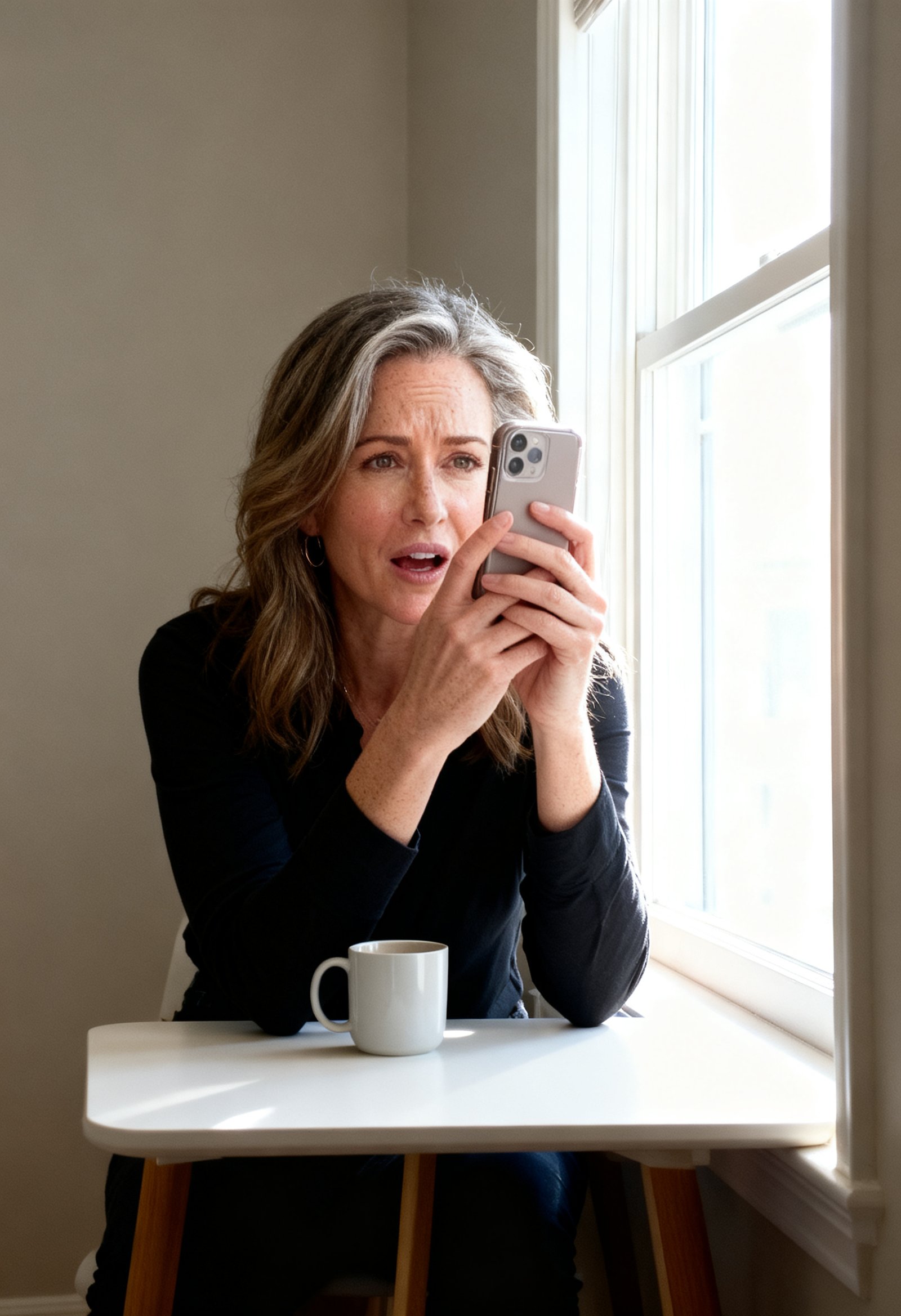
Why skipping breakfast backfires for so many of us after 40
Let me say first that intermittent fasting works for some women. If it's working for you, keep going. But for a lot of us over 40, "coffee until noon" turns into something else, and Lorraine's day showed exactly how.
The 3 p.m. crash. By mid-afternoon she was so hungry she'd eat the granola bars from the break room, two at a time, standing up. "They don't count, I'm standing."
The 9 p.m. kitchen. She'd make a careful dinner, and then at nine she'd be in the pantry with a spoon and the peanut butter jar. Every night. She'd skipped 400 calories in the morning and eaten 600 at night.
The tired. She was dragging by 2 p.m. Coffee number three. Then she'd lie awake at midnight wondering why she couldn't sleep.
Here's what I learned trying to help her. When a woman's hormones start shifting in her 40s, her body becomes much more protective of its fat stores. A long, stressful morning on nothing but coffee can look to that body less like discipline and more like a shortage. And a body that thinks it's in a shortage holds on. It gets hungrier later, it gets more tired, and it parks what it can right around the waist, because that's where it keeps its emergency savings.
So Lorraine wasn't failing the plan. The plan was sending her body the wrong message at the wrong hour.
The part about the morning nobody told her
This is the piece that changed how I see breakfast, and coffee, and the clock. Your brain isn't the only thing in you that keeps time. Researchers have found that fat tissue runs on its own daily rhythm. Your fat cells have their own little clocks, and those clocks lean toward storing at some hours and toward letting go at others.
Think about what that means. If there's a window in your morning when your fat cells are most willing to release, Lorraine was spending that window running on stress and an empty tank, which is just about the opposite of what that window needs. She was using the most valuable hour of her day to tell her body to hold on.
She wasn't wrong to love her morning coffee. She was wrong about what to do with it.
If you've been skipping breakfast and still gaining, and you want to understand what your fat cells are doing in that first hour, there's a short presentation that walks through the research step by step. It's what my sister finally watched.
See what your empty morning is telling your fat cells →The patient who wouldn't stop talking about her coffee
The way it reached Lorraine was a little funny. One of the regulars at her office, a retired kindergarten teacher in for a cleaning, sat in the waiting room in July holding a coffee from the shop next door, and when Lorraine said something about how she wished she could drink coffee without it going straight to her stomach, the woman laughed and said, "Oh, honey, you're doing it backwards."
She'd lost twenty-something pounds since spring. She wasn't fasting. She drank her coffee every morning. She said there was a video that explained why the first cup matters more than any of the others, and a small thing she does with it. She wrote the website on the back of an appointment card.
Lorraine left the card on her dashboard for three weeks. "Dana, it's a video about coffee. I drink coffee. That's the problem." She finally watched it on a Sunday, in the car, in the grocery store parking lot, and called me before she went in.
I'm not going to lay out what she does now. I tried once, secondhand, at Sunday dinner, and got half of it wrong while Lorraine shook her head at me across the mashed potatoes. The presentation explains the fat cell clocks, the research, and the morning ritual itself much better than I can.
What's on her counter now
When I stopped by her house last week, early, there was a small bottle sitting next to her coffee maker. She saw me look at it. "That's the part the lady from the waiting room uses."
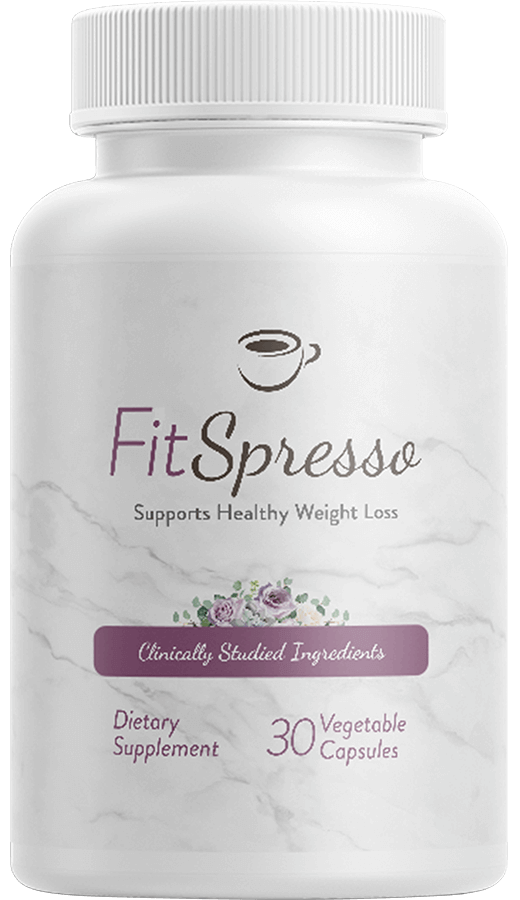
It's called FitSpresso. I only mention the name because so many of you write to ask what my friends and family actually use. Lorraine turned it around and read me the back, slowly, the way she reads insurance codes over the phone: green tea, L-carnitine, L-theanine, and a few others. The thing she liked was that it didn't take her coffee away. It worked with it.
How the weeks went
Week one, she ate a real breakfast for the first time in seven months, had her coffee the new way, and couldn't believe she wasn't starving by three. The break room granola bars stayed in the box.
Weeks two and three, the 9 p.m. peanut butter spoon went away on its own. She didn't fight it. She just didn't want it.
A month in, the four pounds came back off, the way they did that first fasting month. The difference was they stayed off.
Two months in, she's down eleven pounds, most of it from the middle, and the pant size she went up is back in the closet. Not a miracle. Slow, and real. The clock needs time to trust you again after months of being told it's in a shortage. Results are different for every woman.

If you're the woman on her third coffee at 2 p.m. with nothing in her stomach and a waistband that keeps getting tighter, it costs you a few minutes to see what Lorraine saw in that parking lot.
Watch the presentation from the appointment card →What made her willing to try was the guarantee on their page: 60 days, money back if it doesn't work for you. "Seven months of starving cost me a pant size," she said. "Two months of this costs me nothing if it doesn't."
Who I think it makes sense for: women over 40 who love their coffee, who've tried skipping meals, cutting the creamer and eating less, and watched the middle stay put or grow. Who it isn't for: anyone who can't have caffeine, anyone pregnant or nursing, and anyone on medication who hasn't checked with her doctor first.
Your first cup is the most important thing you do for your body all morning. Lorraine spent seven months wasting hers. Don't spend another one.
See what she does with her first cup now →P.S. Lorraine still has the appointment card. It's tucked in the visor of her car, and she says she's keeping it "for the next woman in the waiting room who says coffee goes straight to her stomach." If that's you, here's what was written on the back.
5 Morning Habits Real Women Over 40 Swear By
The small, unglamorous rituals that keep coming up in our reader stories — none of them cost more than a few dollars.
- What to do in the first 10 minutes after waking up
- The one thing to check before you reach for coffee
- A 2-minute ritual three readers mentioned, unprompted
- What "listening to your gut" actually means, medically
- The question to ask before starting anything new